
As the calendar turns and we step into a new year, many of us naturally pause to reflect. In education, that reflection often shows up as a familiar question: How are my students doing?
In music, the answer isn’t always found in a test, a checklist, or a neatly scored rubric. Often, it lives in the moments we almost miss, because they feel so natural, so musical, so human. Assessment doesn’t always mean stopping to test. In a music classroom, assessment often happens while the music is already unfolding.
The Moments That Tell the Whole Story
As this past semester came to a close, especially during the busy lead-up to our winter performances, I found myself feeling especially grateful for the everyday moments that quietly revealed student learning:
- Internalizing the Pulse: A class moving together, settling into a shared steady beat during a game of “Passing the Snowball.”
- Vocal Independence: A brave singer finding their voice and matching pitch with confidence during a solfege warm-up.
- Active Listening: Students listening, adjusting, and making music with purpose during a 15-minute “Focus Window,” where the goal isn’t just “getting through the song,” but polishing the nuance of a phrase.
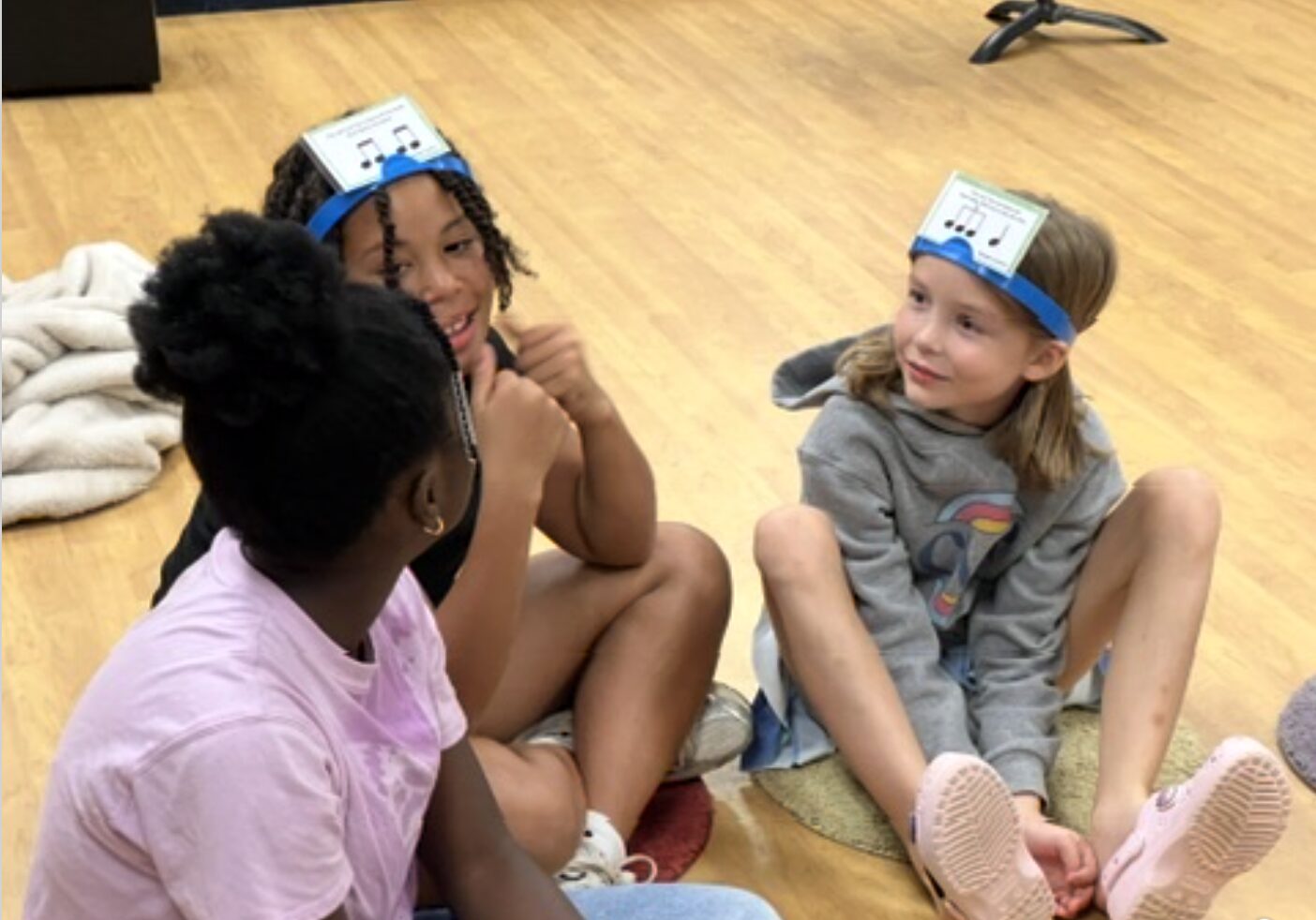
- Rhythmic Literacy: Students practicing counting in unison through exercises that replace beats of a measure with rests or silly words.*
- Community Connection: A parent sharing an excited at-home practice moment before a winter concert.
These moments may not look like traditional assessment, but they tell the whole story. They show understanding. They show confidence. They show growth. And they remind us that assessment lives in the music itself.

Why Reflection Matters at the Semester Break
As we head into a new semester, taking time to reflect on how learning showed up during the first half of the year is supremely important. Not to judge or label, but to guide what comes next.
When we reflect on:
- Which Kodály concepts truly stuck: (Are they ready for that new rhythmic element, or do we need more “prepare” time?)
- Where students showed independence: (Who is leading the singing games now?)
- When joy and engagement were highest: (Was it the movement-based snowflake activities or the instrumental play-alongs?)
- Where confusion or hesitation lingered: (Did the transition from 2/4 to 4/4 meter need more reinforcement?)
We gain powerful insight into how to shape the next chapter of instruction. This kind of reflection allows us to plan with intention rather than habit. It helps us decide what needs revisiting, what can be extended, and where students are ready to stretch musically.

Assessment as a Compass, Not a Scorecard
Try to remember that assessment isn’t about ranking or perfection. It’s about listening closely and responding thoughtfully. It’s a compass, not a scorecard.
When we assess through movement, singing, playing, listening, counting, and creating, we gather the information we need to guide our teaching in ways that are responsive and meaningful. We honor the learning that has already happened, while making space for what’s next.
Moving Forward With Purpose
As you plan for the new semester, I encourage you to look back not just at what was taught, but at what was lived musically in your classroom.
- What moments told you the most?
- What surprised you?
- What felt deeply successful—even if it didn’t fit neatly into a box?
Those answers are already pointing you in the right direction for your next steps. Because when students create music with purpose, learning occurs. And that’s the kind of assessment that truly matters.
*Students practice counting in 4/4 time by systematically removing or replacing beats within the measure. For example, they may count “blank, 2, 3, 4,” then “1, blank, 3, 4,” gradually trading numbers for silence or playful substitute words (such as “Mom, 2, 3, 4”). These variations require focused listening, internal pulse, and strong ensemble awareness, revealing students’ understanding of meter and steady beat in real time.
A Note for the Journey Back
As you get ready to open your classroom doors for the second semester, I want to leave you with a simple reminder: your presence is the most important instrument in the room.
Coming back after a break can feel like a rush with lesson plans, schedules, and logistics all calling for attention at once. But the “lived music” we’ve been talking about only happens because of the environment you create. The way you listen, respond, encourage, and make space matters more than having every detail perfectly planned.
Remember that you don’t need to have it all mapped out on day one. Some of the most meaningful learning happens in the moments that unfold naturally and when we hold the space and let students explore, try, and grow.
Finally, as you head into the new year, may you find moments to rest, renew, and relax into what’s next. A fresh semester, a brand-new year of music, and familiar favorites are waiting to help you get started. Be sure to check out our January Hello Song and Gus the Groundhog, both designed to help you begin strong, without the pressure to rush.